
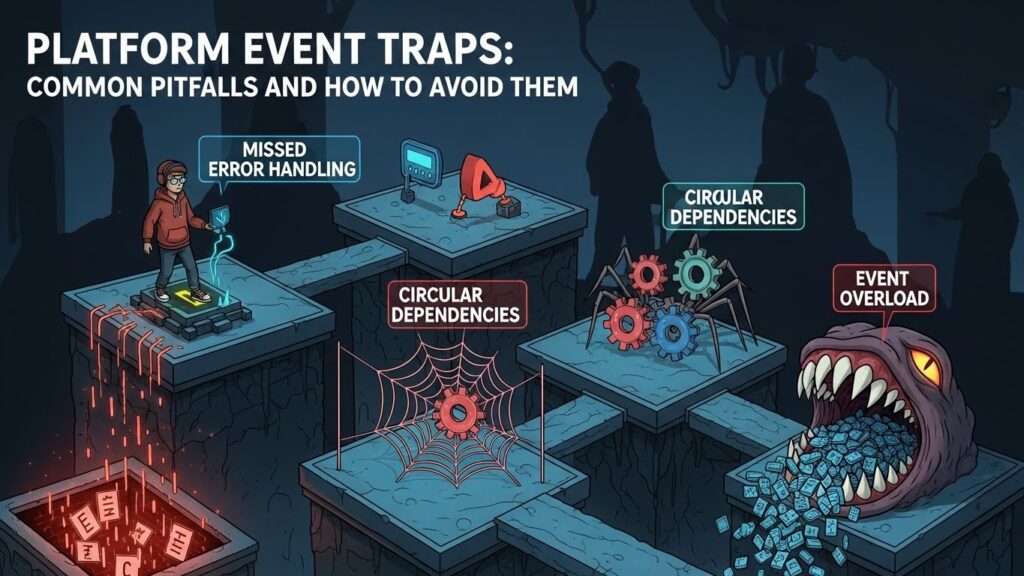
In the fast-paced world of software development, Platform Event Traps can easily sneak up on even the most seasoned developers. These traps lurk in the shadows, ready to derail your carefully laid plans and turn a seamless integration into a chaotic mess. Understanding these pitfalls is crucial for anyone looking to harness the power of platform events effectively.
Whether you’re working within Salesforce or another platform that utilizes event-driven architecture, recognizing potential issues is half the battle. With a clear grasp of what these traps are and how they can impact your workflows, you’ll be better equipped to navigate through them. So let’s dive deep into this topic and arm ourselves with knowledge!
Understanding Platform Events and Their Purpose
Platform events are a powerful tool within the Salesforce ecosystem. They enable real-time integration and communication between systems, enhancing workflows across different applications.
The primary purpose of platform events is to facilitate asynchronous messaging. This allows various components—like Apex triggers, Lightning components, or external systems—to listen for and respond to specific events without tight coupling.
By leveraging event-driven architecture, organizations can achieve greater scalability and flexibility. It empowers developers to build reactive applications that react swiftly to changes in data or user actions.
Moreover, platform events help maintain data integrity while reducing response times. They play a vital role in keeping users informed by delivering timely updates without overwhelming the system with continuous polling.
Their ability to streamline processes makes platform events an invaluable asset for businesses looking to enhance their operational efficiency.
Common Pitfalls When Working with Platform Events
When diving into platform events, many developers stumble upon several common pitfalls. One significant issue is neglecting proper error handling. Without a robust system in place, critical failures can go unnoticed, leading to lost messages or data corruption.
Another trap involves overlooking dependencies within your architecture. Failing to account for these relationships may cause unintended disruptions when changes occur in one component while others remain unupdated.
Security measures are often an afterthought, but this can be dangerous. Inadequate safeguards expose sensitive information and open doors for malicious attacks on your system.
Many underestimate the importance of monitoring event flow and performance metrics. Ignoring these aspects makes it difficult to identify bottlenecks or inefficiencies that could hinder overall functionality and user experience.
– Not Setting Up Proper Error Handling
One of the biggest pitfalls when working with platform events is neglecting proper error handling. Errors can arise at any stage, from event publication to consumption. Without a solid error management strategy in place, these issues can lead to data loss or system failures.
Imagine sending an event that doesn’t get processed because the listener encounters an unexpected issue. You might not even realize anything went wrong until it’s too late. This lack of visibility makes troubleshooting much more difficult down the line.
Implementing effective error handling means setting up alerts and retries for failed processes. It allows developers to monitor their systems actively, ensuring they catch problems before they escalate into major disruptions.
Investing time in crafting robust error-handling mechanisms will save you headaches later on and keep your platform running smoothly.
– Overlooking Dependencies
Dependencies are often underestimated in the realm of platform events. When integrating various components, it’s crucial to identify and understand how these parts interact with each other.
Ignoring dependencies can lead to unexpected behavior. For instance, if an event relies on another service that isn’t available, this can create a cascade of failures. This risk multiplies as systems scale up.
Additionally, overlooking data dependencies may cause inconsistencies or even data loss. It’s essential to ensure that all related services are synchronized during event processing.
Developers must adopt a holistic view when designing their architecture. Effective dependency management helps maintain stability and ensures smoother operations across applications.
By mapping out these relationships clearly from the start, teams can avoid unnecessary headaches down the line. Ignoring this critical aspect could be detrimental in complex systems where every element plays a vital role in overall functionality.
– Not Considering Security Measures
Security should always be a top priority when working with platform events. Ignoring these measures can lead to severe vulnerabilities.
Without proper security protocols, sensitive data may become exposed during the event publishing process. This can attract malicious actors who exploit weaknesses, potentially resulting in data breaches or unauthorized access.
Additionally, failing to implement robust authentication mechanisms complicates user verification. An unsecured system allows for easy impersonation and manipulation of events.
It’s crucial to establish strict access controls as well. Limiting who can publish and subscribe to events helps safeguard against internal threats that might compromise integrity.
Integrating encryption also plays a vital role in protecting data both at rest and in transit. It ensures that even if an attacker intercepts information, they cannot easily decipher it.
Taking these precautions protects not just your organization but also builds trust with users who depend on secure interactions.
How to Avoid These Traps?
To navigate the pitfalls of platform event traps, start with robust error handling systems. Implement clear logging mechanisms to capture issues as they arise. This visibility enables swift resolution and keeps your processes running smoothly.
Next, invest time in comprehensive testing and debugging. Create various scenarios that mimic both typical and edge-case use cases. This proactive approach helps identify potential failures before they impact users.
Security is another vital aspect to consider seriously. Follow best practices such as data encryption and user authentication protocols. Regularly update security measures to stay ahead of new threats.
Encourage collaboration among teams involved in platform events. Communication fosters a shared understanding of dependencies, making it easier to manage them effectively without surprises down the line.
– Setting Up Robust Error Handling Systems
Implementing robust error handling systems is crucial for managing platform events effectively. Errors can occur at any stage, and having a solid framework in place ensures that issues are identified quickly.
Start by logging errors in real-time, capturing essential details like timestamps and event IDs. This information helps pinpoint the root cause faster.
Next, design alerts to notify your team of critical failures immediately. Automated notifications can minimize downtime and prevent cascading failures from affecting other system components.
Additionally, consider fallback mechanisms that allow processes to continue running even when issues arise. For instance, if one service fails to respond, redirecting requests to a backup can maintain functionality.
Regularly reviewing error logs will help identify patterns over time. This proactive approach enables you to address recurring problems before they escalate into larger obstacles for your projects or users.
– Comprehensive Testing and Debugging
Comprehensive testing and debugging are essential when working with platform events. Skipping this step can lead to unexpected failures down the line.
Start by creating a detailed test plan that covers various scenarios, including edge cases. This proactive approach helps identify potential issues before they affect users.
Utilize automated testing tools to streamline the process. These tools can quickly run multiple tests, saving time while ensuring thorough coverage of your event handling logic.
Don’t forget manual testing as well; it brings an invaluable human perspective that automation might miss. Observing how real users interact with your platform events can uncover flaws in usability or performance.
Regularly review and iterate on your tests. As you refine your application, new pitfalls may emerge—staying vigilant is key to maintaining robust functionality.
– Following Best Practices for Security
Security should never be an afterthought, especially when dealing with platform events. Implementing best practices is crucial for safeguarding your data and processes.
Start by using secure authentication methods. Ensure that only authorized users can access sensitive information or operations related to platform events.
Next, always encrypt your data both at rest and in transit. This adds a robust layer of protection against unauthorized access.
Regularly update your systems and software to patch vulnerabilities. Staying current helps mitigate risks associated with outdated protections.
Additionally, consider role-based access controls (RBAC). Limiting permissions based on user roles minimizes the potential damage from compromised accounts.
Monitoring logs is another vital practice. By keeping tabs on event flows, you can quickly identify anomalies or breaches as they occur.
Educate your team about security awareness. Continuous training fosters a culture where everyone understands their role in maintaining security protocols.
Real-life Examples of Platform Event Traps and Their Consequences
One notable example of platform event traps occurred at a large financial institution. They launched a new feature relying on real-time data processing through platform events. However, they neglected to set up proper error handling mechanisms. When unexpected data inputs flowed in, it caused significant disruptions in transactions. Customers were left frustrated and the bank faced compliance issues.
Another case involved an e-commerce company that overlooked dependencies between their systems when implementing platform events for inventory management. A sudden spike in orders led to cascading failures across interconnected services, resulting in stock discrepancies and lost sales opportunities.
A tech startup experienced security breaches after failing to consider adequate measures for their platform events. Sensitive customer information was exposed due to inadequate access controls, leading to reputational damage and loss of trust among users. Each incident highlights the critical nature of being proactive with platform event strategies.
Conclusion
Navigating the landscape of platform events can be challenging, especially when it comes to avoiding common traps. By understanding the intricacies of platform events and implementing strategies to sidestep potential pitfalls, you set yourself up for success. Prioritizing error handling, being mindful of dependencies, and maintaining robust security measures are crucial steps in this process.
Real-life examples highlight how overlooking these aspects can lead to significant setbacks. Whether it’s a missed notification or a serious data breach, the consequences of ignoring best practices can be severe.
Staying informed about these challenges will empower you as you work with platform events. Embrace proactive measures and continually refine your approach to foster a more resilient integration framework. Your commitment to avoiding platform event traps will pay off significantly in smoother operations and enhanced reliability across your systems.