
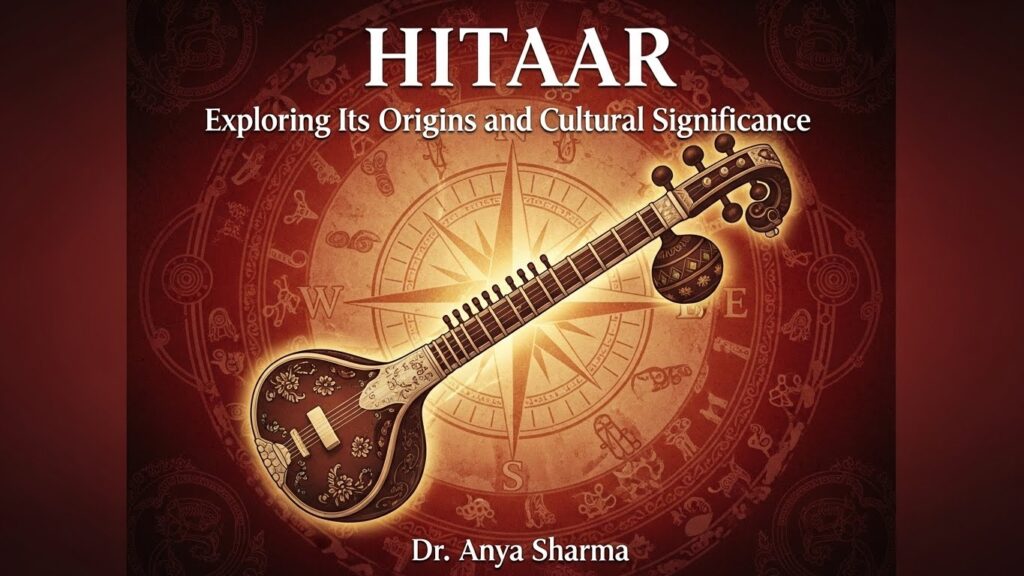
Hitaar is more than just a celebration; it’s a vibrant tapestry woven from centuries of tradition and community spirit. This fascinating cultural phenomenon holds deep historical roots that are as rich as the festivities themselves. As we embark on this journey to explore Hitaar, you’ll discover its origins, the significance it carries in today’s world, and how modern influences continue to shape it. Whether you’re familiar with Hitaar or hearing about it for the first time, there’s much to uncover in this lively exploration of culture and heritage. Join us as we delve into what makes Hitaar an irreplaceable part of many lives!
The History of Hitaar
Hitaar has deep roots, weaving through the tapestry of its culture. Its origins can be traced back to ancient traditions, where it was celebrated as a vital community event.
Historically, Hitaar was marked by agricultural cycles and seasonal changes. Communities came together to honor harvests and seek blessings for prosperity.
As time progressed, the festival evolved, absorbing influences from various cultures while retaining its core values. Ancient texts mention rituals that highlight reverence for nature and ancestors.
In many regions, oral histories recount tales of how Hitaar brought people closer during challenging times. Elders played crucial roles in passing down these narratives, ensuring that the essence of Hitaar endured across generations.
Today’s celebrations still echo these historical foundations but showcase a vibrant blend of past customs with contemporary flair. This rich history sets the stage for understanding why Hitaar remains significant today.
Cultural Significance of Hitaar
Hitaar holds a profound place in the hearts of those who celebrate it. This festival embodies a rich tapestry of traditions and values that have been passed down through generations. It serves as a reminder of community, unity, and shared heritage.
During Hitaar, families come together to honor their ancestors and reconnect with their roots. The rituals associated with this celebration emphasize respect for nature and the importance of sustainability. Every act during Hitaar is infused with meaning, reinforcing bonds among family members.
Art forms like dance and music play an essential role in expressing emotions tied to this event. Vibrant performances reflect stories from history while fostering cultural pride among participants.
Moreover, the culinary delights prepared during Hitaar are not just meals; they symbolize love and generosity within the community. Each dish tells its own story, weaving together flavors that resonate deeply with tradition.
Traditional Clothing and Music Associated with Hitaar
Traditional clothing associated with Hitaar reflects its rich cultural heritage. Vibrant textiles and intricate patterns are hallmarks of the attire worn during celebrations. Each garment tells a story, often representing local craftsmanship passed down through generations.
Men typically don flowing tunics paired with trousers made from soft, breathable fabrics. Their outfits are usually adorned with colorful embroidery that symbolizes various aspects of life and nature.
Women’s clothing is equally stunning. They wear beautifully crafted dresses embellished with beads and sequins. These garments not only enhance beauty but also represent status within the community.
Music plays an integral role in Hitaar celebrations, accompanied by traditional instruments like drums and flutes. The melodies echo the spirit of the festivities, inviting everyone to dance together in joyous unity. This blend of music and attire creates a vibrant atmosphere that defines Hitaar’s essence at every gathering.
How Hitaar is Celebrated Today
Today, Hitaar is celebrated with vibrant enthusiasm in communities around the world. Festivities often include colorful parades that showcase traditional attire and music. Participants dress in elaborate costumes, blending ancient designs with contemporary flair.
Families gather to share meals that feature special dishes made for this occasion. These culinary traditions are passed down through generations, each flavor telling a story of heritage and connection.
Music plays a vital role during Hitaar celebrations. Traditional instruments fill the air as performers engage audiences with lively dances. The rhythms resonate deeply, evoking memories of past festivities while inviting new participants to join in.
Social media has also transformed how people celebrate Hitaar today. Virtual gatherings allow those far from home to connect and partake in rituals together, bridging distances and fostering community spirit across borders.
Impact of Modernization on Hitaar
Modernization has brought significant changes to Hitaar. Many traditional practices have adapted, reflecting contemporary lifestyles. The introduction of technology influences how people celebrate this cultural event.
Social media platforms play a vital role in spreading awareness about Hitaar. They connect communities globally, allowing for the sharing of traditions and stories. This exposure can lead to revitalized interest among younger generations.
However, modernization also presents challenges. Some original customs may fade under the pressure of modern life. Traditional art forms risk being overshadowed by popular culture trends.
Despite these shifts, many still strive to maintain their heritage while embracing change. Adaptations often blend old with new, creating unique expressions of identity that resonate with today’s values and beliefs. As society evolves, so too does the celebration of Hitaar—reflecting both its rich past and dynamic present.
Conclusion
Hitaar is more than just a tradition; it embodies the essence of cultural identity and community. Its rich history weaves tales of resilience, artistry, and connection. As society evolves, the celebration of Hitaar adapts while still honoring its roots. The traditional clothing and music associated with Hitaar continue to resonate deeply within communities, serving as reminders of shared heritage.
Modernization has brought both challenges and opportunities for Hitaar. While some aspects may fade or change, many individuals strive to keep the spirit alive through festivals, performances, and gatherings that celebrate this cherished tradition. Whether through vibrant dances or heartfelt songs, those who participate in Hitaar maintain a link to their ancestry.
As we move forward into an ever-changing world, embracing practices like Hitaar not only strengthens our connections but also enriches our lives by reminding us where we come from. It invites everyone to partake in a journey filled with joy and camaraderie—an invitation worth accepting at every turn.