
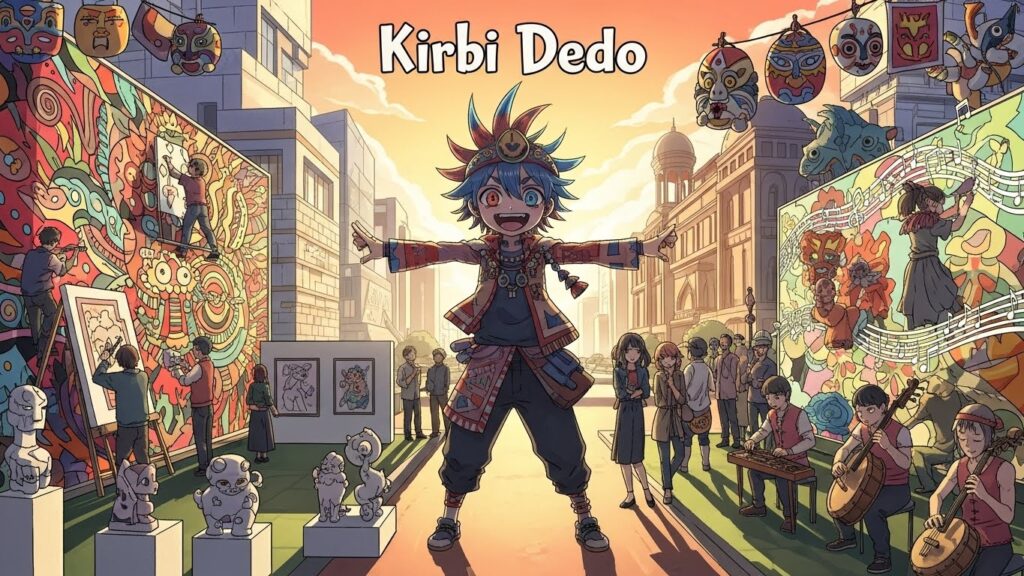
Kirbi Dedo has taken the internet by storm, captivating audiences with its unique blend of art and culture. This phenomenon isn’t just a fleeting trend; it’s a vibrant movement that resonates deeply with fans across the globe. From quirky illustrations to colorful merchandise, Kirbi Dedo embodies creativity in ways we’ve never seen before. But what exactly is Kirbi Dedo? How did it come to life, and why does it matter? Join us as we dive into the fascinating world of Kirbi Dedo, exploring its origins, artistic elements, societal impact, and much more. Get ready to uncover the layers behind this cultural sensation!
The Origin of Kirbi Dedo
Kirbi Dedo sprang from the creative minds of internet artists in the early 2020s. It began as a playful reinterpretation of childhood nostalgia, blending familiar and quirky elements.
The character’s design draws inspiration from various sources—cartoons, memes, and even modern video games. This eclectic mix captivated audiences looking for something fresh yet reminiscent.
Initially shared on social media platforms like TikTok and Instagram, Kirbi Dedo started to gain traction through viral fan art and catchy animations. The community embraced its charm, making it a symbol of lightheartedness amid everyday chaos.
As users created their interpretations, Kirbi evolved into more than just an image; it became a cultural phenomenon that resonated with diverse audiences everywhere. In this way, its origins reflect not only artistic freedom but also collective creativity in the digital age.
The Rise of Kirbi Dedo in Pop Culture
Kirbi Dedo has made a notable impact on pop culture, capturing the hearts of many across various platforms. Initially emerging from internet forums and social media, this phenomenon quickly gained traction due to its unique blend of charm and accessibility.
Memes featuring Kirbi Dedo spread like wildfire, drawing in audiences from different backgrounds. The vibrant colors and playful designs resonate with both young people and adults alike. This universal appeal is crucial for its rise in popularity.
Collaborations with influencers further propelled Kirbi Dedo into mainstream consciousness. Merchandise soon followed, making it not just an online sensation but also a tangible presence in everyday life.
Television appearances and references in popular music have solidified its status as a cultural icon. Kirbi Dedo continues to evolve, reflecting trends while maintaining the essence that fans adore.
The Artistic Elements of Kirbi Dedo
The artistic elements of Kirbi Dedo are captivating and intricate. Bright colors dominate the palette, drawing attention instantly. Each piece showcases a blend of whimsy and surrealism, making it visually striking.
Textures play a significant role too. The mix of smooth lines with chaotic shapes creates an engaging contrast that keeps viewers intrigued. This interplay resonates with audiences on various emotional levels.
Characters often embody exaggerated features, giving them a unique charm. Their quirky expressions evoke joy and curiosity simultaneously.
Patterns weave throughout the artwork, adding depth and richness to each creation. These elements invite interpretation, encouraging fans to explore their meanings further.
Kirbi Dedo art transcends traditional boundaries by blending digital techniques with hand-crafted aesthetics. This fusion reflects modern influences while paying homage to classic styles in art history. The result is a fresh perspective that continues to inspire new generations of artists and enthusiasts alike.
Impact on Society and Youth Culture
Kirbi Dedo has undeniably left a mark on society, especially among the youth. This character represents more than just entertainment; it embodies a sense of belonging and identity for many.
With its vibrant colors and quirky designs, Kirbi Dedo resonates with young people seeking connection in an increasingly digital world. Social media platforms explode with fan art and memes that celebrate this phenomenon, creating communities around shared interests.
Moreover, Kirbi Dedo encourages creativity. Fans often engage in DIY projects inspired by the character, fostering artistic expression. These activities not only promote innovation but also bring individuals together through collaborative efforts.
Youth culture thrives on trends that challenge norms, and Kirbi Dedo is no exception. It empowers self-expression, allowing fans to embrace their uniqueness without fear of judgment. The impact reaches far beyond simple fandom; it’s about shaping identities in contemporary society.
Controversies Surrounding Kirbi Dedo
Kirbi Dedo has sparked a plethora of debates within its enthusiastic fanbase and beyond. Critics often argue that the phenomenon promotes unrealistic beauty standards, particularly among younger audiences who idolize these characters. This concern raises questions about self-image and acceptance in an era dominated by social media.
Additionally, some traditional artists feel threatened by this contemporary style. They perceive Kirbi Dedo as a dilution of authentic artistic expression. The clash between modern fandom and classic artistry continues to fuel heated discussions on various platforms.
Moreover, there have been accusations surrounding copyright infringement related to character designs. As creators strive for originality, lines can sometimes blur unintentionally. This adds another layer of complexity to the already multifaceted discourse surrounding Kirbi Dedo’s cultural significance.
These controversies not only highlight differing perspectives but also demonstrate the evolving nature of art in today’s society, pushing boundaries while inviting critique.
Preserving the Legacy of Kirbi Dedo
Preserving the legacy of Kirbi Dedo involves more than just admiration. It calls for a collective effort to keep its spirit alive in contemporary culture.
Art exhibitions showcasing Kirbi Dedo-inspired works help educate and engage new audiences. These events serve as platforms for artists to reinterpret themes, ensuring they resonate with younger generations.
Social media plays a crucial role too. Fans share their interpretations, connecting globally over this shared appreciation. This digital space fosters community and nurtures creativity.
Moreover, educational programs can introduce the art form into schools. By integrating it into curricula, we can inspire future creators who will carry the torch forward.
Documenting stories from those involved in the phenomenon is vital as well. Oral histories preserve personal connections that enrich our understanding of Kirbi Dedo’s significance.
Every effort counts in keeping this vibrant cultural expression thriving across time and place.
Conclusion
Kirbi Dedo has carved out a significant niche in the contemporary cultural landscape. Its blend of artistry, humor, and relatability resonates with people across various age groups. The origin story is rich, filled with creativity and innovation that continues to inspire new generations.
As it rises in pop culture, Kirbi Dedo brings a unique flavor to social media platforms and beyond. This phenomenon showcases artistic elements that are both playful and thought-provoking. Young audiences find themselves drawn into its world, using it as a form of expression while navigating their own identities.
However, no cultural movement is without controversy. Discussions around authenticity and commercialization sometimes cloud the waters surrounding Kirbi Dedo’s popularity. Yet these debates only serve to deepen engagement among fans and critics alike.
Preserving the legacy of Kirbi Dedo will require ongoing dialogue about its impact on society. As this art form evolves, so too does its role in shaping youth culture today.
The journey of Kirbi Dedo continues to unfold before us; an ever-evolving tapestry woven from threads of creativity, community, and conversation.