
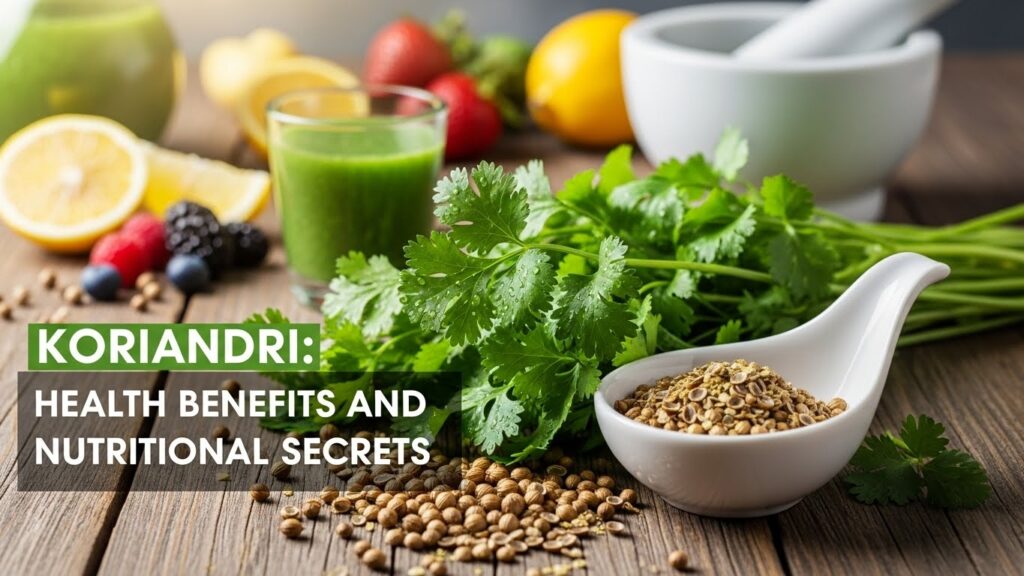
Koriandri, commonly known as coriander or cilantro, is more than just a garnish on your favorite dishes. This vibrant herb boasts a rich history that spans centuries and continents. From ancient civilizations to modern kitchens, koriandri has played a role in culinary practices and traditional medicine alike. But what makes this herb so special? With its unique flavor profile and impressive health benefits, koriandri deserves a spotlight in both our meals and daily wellness routines. Let’s dive deeper into the nutritional secrets of this remarkable plant and discover why it should be on your plate today!
Nutritional Value of Koriandri
Koriandri, commonly known as coriander or cilantro, is a powerhouse of nutrients packed into tiny leaves and seeds. It’s rich in vitamins A, C, and K. These vitamins play crucial roles in maintaining healthy skin and boosting immunity.
Minerals like potassium, calcium, and magnesium are also abundant in koriandri. Potassium helps regulate blood pressure while calcium supports bone health.
Moreover, the herb contains dietary fiber that aids digestion. Incorporating it can enhance your overall gut health.
The unique blend of antioxidants found in koriandri may help combat oxidative stress in the body. This contributes to a healthier lifestyle by protecting cells from damage.
Adding this vibrant herb isn’t just about flavor; it’s an easy way to enrich your meals with essential nutrients.
Health Benefits of Consuming Koriandri
Koriandri, or coriander, is more than just a culinary herb. Its health benefits are vast and impressive.
Rich in antioxidants, Koriandri helps combat oxidative stress in the body. This can lead to reduced inflammation and improved overall health.
Additionally, it possesses antimicrobial properties that may assist in fighting off infections. Incorporating Koriandri into your meals can thus support your immune system effectively.
Studies suggest that consuming this herb may aid digestion as well. It has been known to alleviate bloating and gas while promoting healthy gut function.
Moreover, Koriandri has potential blood sugar-lowering effects. This makes it particularly beneficial for individuals managing diabetes or seeking to stabilize their glucose levels.
The presence of essential vitamins and minerals further enhances its nutritional profile, contributing positively to skin health and enhancing heart wellness too.
How to Incorporate Koriandri into your Diet
Incorporating Koriandri into your diet is both simple and delicious. You can start by adding fresh leaves to salads for a burst of flavor. Their bright, citrusy taste elevates even the simplest greens.
Consider blending Koriandri into smoothies or juices. Just a handful can enhance your drink with its unique aroma while providing valuable nutrients.
For cooking, toss chopped Koriandri into stir-fries or curries towards the end of cooking to preserve its vibrant flavor. It complements many dishes beautifully, especially those with spices.
You might also try infusing sauces or dressings with this herb. A few sprigs in pesto or chimichurri adds an intriguing twist that will impress your guests.
If you enjoy baking bread, consider mixing dried Koriandri seeds into dough for added depth and nutrition. There are countless ways to enjoy this versatile herb in everyday meals!
Traditional Uses and Remedies of Koriandri
Koriandri, also known as coriander, has been cherished in various cultures for centuries. Its seeds and leaves have found a place in traditional medicine across many regions.
In Ayurvedic practices, koriandri is celebrated for its ability to aid digestion. It’s often used to soothe upset stomachs and reduce bloating.
Traditional Chinese Medicine also embraces koriandri as a remedy for colds and fevers. The herb is believed to help expel toxins from the body.
Many folk remedies utilize its antiseptic properties. A paste made from fresh leaves can be applied to minor cuts or insect bites for relief.
Additionally, koriandri’s aromatic qualities make it popular in herbal teas aimed at calming nerves and reducing stress levels. This versatile herb continues to bridge culinary traditions with natural healing practices around the world.
Potential Side Effects and Precautions
While Koriandri is celebrated for its health benefits, it’s essential to be aware of potential side effects. Some individuals may experience allergic reactions, including skin rashes or respiratory issues. If you have a known allergy to similar herbs, caution is advised.
Excessive consumption can lead to digestive discomfort such as gas or bloating. Moderation is key when incorporating this herb into your meals.
Pregnant and breastfeeding women should consult healthcare professionals before adding Koriandri to their diet. Although generally safe in culinary amounts, it’s wise to prioritize safety during these sensitive periods.
Interactions with certain medications are possible as well. For those on blood thinners or other prescribed drugs, checking with a doctor before use ensures no adverse effects occur. Always listen to your body and make informed choices regarding herbal additions like Koriandri.
Conclusion: Why You Should Add Koriandri to Your Diet Today
Koriandri, often known as coriander or cilantro, is more than just a flavorful herb. With its rich history and numerous health benefits, it’s clear why this versatile ingredient deserves a spot in your kitchen.
Packed with essential nutrients such as vitamins A, C, and K, along with minerals like potassium and magnesium, koriandri offers impressive nutritional value. This herb can aid digestion and boost your immune system while also promoting heart health.
Incorporating into your meals is simple. You can sprinkle it fresh over salads or blend it into smoothies for an added zing. It works wonderfully in various cuisines—be it Mexican salsas or Indian curries.
Traditional uses of koriandri extend beyond culinary practices; herbalists have long recognized its potential to alleviate digestive issues and promote overall wellness. However, moderation is key since excessive consumption may lead to adverse effects for sensitive individuals.
Adding to your diet opens up a world of flavors while providing substantial health advantages. Consider making this aromatic herb a staple in your cooking routine—it’s an easy step toward enhancing both taste and nutrition!