
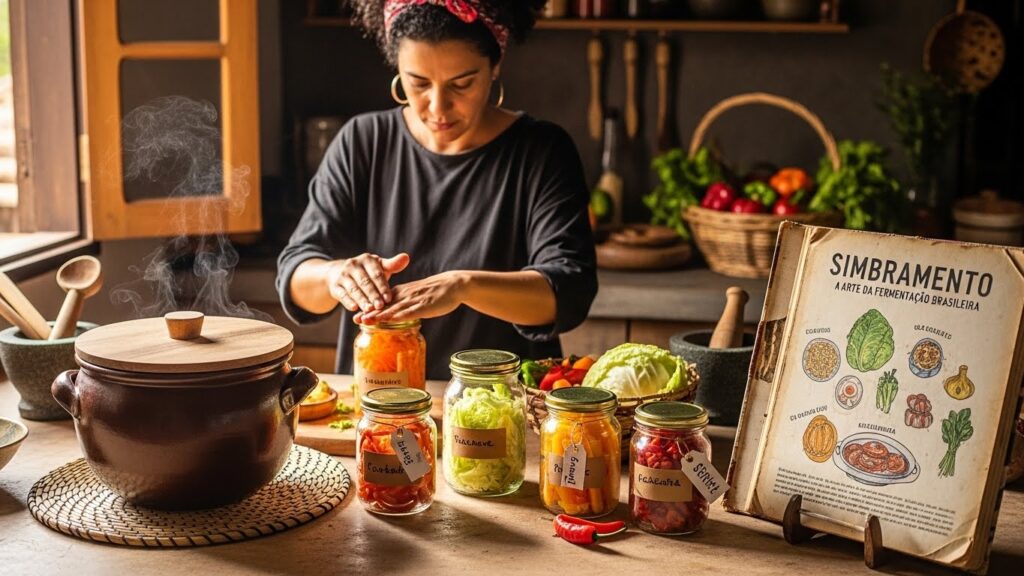
Imagine a world where food is not just nourishment but a vibrant celebration of culture and tradition. Enter Simbramento, a captivating practice rooted in Brazilian heritage that transforms simple ingredients into culinary masterpieces through the art of fermentation. This ancient technique not only delights the palate but also connects communities, weaving stories from generations past into every bite. Join us as we delve into the rich history and processes behind Simbramento, exploring its significance in Brazil’s cultural tapestry while uncovering health benefits and delicious recipes you can try at home. Get ready to embark on a flavorful journey that honors both tradition and taste!
The History and Cultural Significance of Simbramento in Brazil
Simbramento has deep roots in Brazilian culture, tracing back to indigenous practices. It embodies a rich tradition of fermentation that has evolved over centuries.
Originally, it was a method used by native communities for food preservation and flavor enhancement. As colonization occurred, European influences began shaping its techniques and ingredients.
Throughout history, Simbramento became more than just a culinary process; it grew into a symbol of cultural resilience. Communities embraced it during challenging times when access to fresh foods was limited.
Today, Simbramento represents the fusion of diverse culinary arts within Brazil. It’s celebrated at festivals where families gather to share recipes passed down through generations. Each dish tells a story—an interplay between the past and present.
This art form not only preserves flavors but also nurtures community bonds rooted in shared heritage and identity.
The Fermentation Process
The fermentation process of Simbramento is a fascinating journey. It begins with the careful selection of base ingredients, often grains or legumes rich in carbohydrates.
These ingredients are washed, soaked, and then ground into a fine paste. This mixture serves as the foundation for fermentation.
Next comes the introduction of specific microorganisms. These can be wild yeasts and bacteria that naturally occur in the environment or intentional starters from previous batches.
As they interact with sugars present in the mixture, fermentation kicks off. This phase produces carbon dioxide and acids that not only contribute to flavor but also preserve the food.
Temperature plays a crucial role here; warm environments speed up fermentation while cooler ones slow it down. Patience is key during this time as flavors develop and transform uniquely through this ancient art form.
Traditional Ingredients Used in Simbramento
Simbramento relies on a variety of traditional ingredients that enhance its unique flavor profile. At the heart of this process is cassava, known for its versatility and texture. This root vegetable serves as a vital base for many Brazilian dishes.
Another key component is sugarcane, which infuses sweetness into the mix. Its natural sugars contribute to the fermentation process, creating distinct flavors that are deeply rooted in Brazilian culture.
Fruits like pineapple and coconut are often added to provide freshness and acidity. Their vibrant notes brighten up the final product, making it not only delicious but also visually appealing.
Spices such as cinnamon or clove may find their way into Simbramento recipes too. These enhance complexity while paying homage to culinary traditions passed down through generations.
Each ingredient tells a story about regional influences, reflecting Brazil’s rich agricultural landscape and diverse heritage.
Health Benefits of Consuming Simbramento
Simbramento, a traditional Brazilian fermentation method, offers numerous health benefits. It is rich in probiotics, which promote gut health and improve digestion. These beneficial bacteria help maintain a balanced microbiome.
Regular consumption of Simbramento can enhance nutrient absorption. The fermentation process breaks down complex compounds, making vitamins and minerals more accessible to the body.
Additionally, Simbramento may boost the immune system. The active cultures present in fermented foods support overall well-being and can fend off illnesses by strengthening your body’s defenses.
Another advantage is its potential role in reducing inflammation. Fermented products are known for their anti-inflammatory properties, which can help alleviate various chronic conditions.
Not to mention that enjoying Simbramento brings joy through its unique flavors while contributing positively to your diet. Integrating this delightful dish into meals not only delights the palate but also nurtures health in many ways.
Popular Simbramento Recipes
Simbramento offers a delightful variety of recipes that showcase its unique flavors. One popular dish is Simbramento de Milho, made with fermented corn and spices. The tangy taste pairs beautifully with grilled meats.
Another favorite is the Simbramento Salad. This refreshing mix often includes diced vegetables like cucumbers, tomatoes, and onions, all tossed together in a zesty vinaigrette infused with the essence of fermentation.
For those with a sweet tooth, there’s Simbramento Pudding. Made from fermented rice or beans blended into a creamy dessert, it captures the heart of Brazilian comfort food.
Experimenting with these dishes can bring an authentic taste of Brazil to your table while celebrating the rich tradition behind simbramento. Each recipe reflects local ingredients and methods passed down through generations, making them truly special.
How to Incorporate Simbramento into Your Diet
Incorporating Simbramento into your diet can be a delicious adventure. Start by adding it to your breakfast routine. Mix it with yogurt or oatmeal for a probiotic boost.
Think about using Simbramento as a salad dressing base. Its tangy flavor enhances greens beautifully. Drizzle some over roasted vegetables for an unexpected twist.
For lunch, try layering it in sandwiches or wraps. It pairs wonderfully with meats and cheeses, elevating the taste profile of any meal.
Simbramento also shines in marinades and dips. Combine it with herbs and spices to create unique flavors that will impress guests at gatherings.
Don’t forget snacks! Incorporate Simbramento into hummus or spread on crackers for a healthy treat. The versatility of this traditional fermentation opens up endless culinary possibilities every day!
Tips for Making Your Own Simbramento at Home
Making your own Simbramento at home can be a rewarding experience. Start with fresh, quality ingredients for the best results. Look for organic grains and legumes, as they are ideal for fermentation.
Prepare your chosen base by soaking it overnight. This activates enzymes and promotes healthy fermentation. The next day, drain and rinse the grains before mashing or grinding them into a paste.
Add water gradually to achieve a smooth consistency. Incorporate natural sweeteners like honey or sugar to facilitate fermentation. It’s important to introduce wild yeast; you can do this by leaving the mixture exposed to air or adding a piece of sourdough bread.
Cover your mixture with cheesecloth and let it sit in a warm area for several days. Check on it daily; you’ll notice bubbles forming as fermentation occurs.
Once fermented to your liking, store it in glass jars in the fridge to slow down further fermentation. Enjoy experimenting with flavors!
Celebrating Brazilian Culture through Simbramento
Simbramento is more than just a culinary delight; it embodies the spirit of Brazilian culture. This traditional fermentation process connects people to their roots and local communities.
At family gatherings and festivals, Simbramento often takes center stage. It brings together generations who share stories while preparing this beloved dish. The vibrant flavors reflect Brazil’s diverse history, showcasing influences from Indigenous, African, and European cuisines.
Moreover, artisans take pride in crafting Simbramento using age-old techniques passed down through families. Each batch tells its own story—from the ingredients sourced locally to the methods that honor tradition.
By enjoying Simbramento, one not only savors a unique taste but also experiences the warmth of Brazilian hospitality. It’s a celebration of life itself—a dish that fosters connection among friends and strangers alike across rich cultural landscapes.
Conclusion
Simbramento is more than just a traditional fermentation method; it embodies the rich cultural tapestry of Brazil. This ancient practice has stood the test of time, bringing together history, community, and health benefits in every bite.
As you explore Simbramento further, you’ll find that it’s not only a way to enjoy delicious flavors but also an opportunity to connect with Brazilian heritage. Whether you’re trying your hand at making your own or savoring dishes prepared by others, Simbramento invites you on a journey through taste and tradition.
Embrace this art form in your kitchen and let it inspire new culinary adventures while honoring its deep roots in Brazilian culture.