
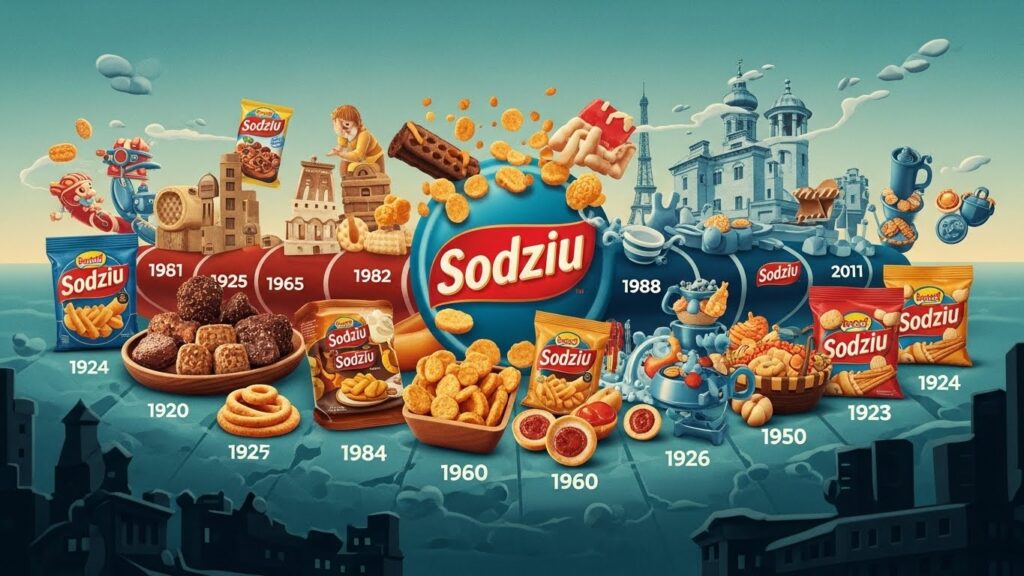
Sodziu has captivated taste buds around the globe, evolving from humble origins to a cherished snack in countless cultures. This delightful treat is more than just food; it represents traditions and stories passed down through generations. Whether you’re munching on it during a festive gathering or enjoying it as an everyday indulgence, Sodziu carries with it a rich history that connects people in unexpected ways. Let’s dive into the fascinating world of Sodziu and uncover what makes this beloved snack so special!
Origin and Cultural Significance of Sodziu
Sodziu traces its roots back to ancient traditions, where it was more than just a snack. It played a vital role in community gatherings and celebrations. Families often prepared Sodziu together, fostering bonds and creating memories.
The cultural significance of Sodziu extends beyond mere consumption. It symbolizes hospitality and warmth in many cultures. Serving this delightful treat is an invitation for connection among friends and family.
Throughout history, various regions have added their unique twist to the recipe, reflecting local tastes and ingredients. This adaptability speaks volumes about its enduring appeal across generations.
Festivals often feature Sodziu as a highlight, showcasing its importance in culinary heritage. As people come together to enjoy it, they share stories that keep traditions alive while embracing modern influences.
The Evolution of Sodziu Throughout History
Sodziu has a rich history that reflects the blending of cultures and culinary traditions. Initially, this beloved snack emerged as a simple street food in ancient markets. It was made using local ingredients, often customized to regional tastes.
As trade routes expanded, so did the recipe for Sodziu. Influences from neighboring countries introduced new flavors and techniques. This evolution transformed Sodziu into a gourmet treat enjoyed at festivals and gatherings.
The industrial revolution played a significant role too. Mass production allowed Sodziu to reach wider audiences while preserving its traditional roots. With each generation, variations sprouted up—each chef adding their unique twist.
Today, Sodziu is celebrated worldwide, embodying both nostalgia and innovation. From rustic roadside stalls to upscale restaurants, it remains an essential part of many dining experiences across various cultures.
Health Benefits and Nutritional Value of Sodziu
Sodziu offers a delightful combination of taste and nutrition. This beloved snack is often made with wholesome ingredients that provide energy and satisfaction.
Rich in carbohydrates, sodziu fuels your body, making it an excellent choice for a quick pick-me-up. The use of natural spices can also contribute to its antioxidant properties, promoting overall health.
Many versions incorporate nuts or seeds, adding healthy fats and proteins. These components are essential for muscle repair and growth. Plus, they help keep you feeling full longer.
Some variations include vegetables, which boost fiber content. Fiber aids digestion while helping maintain steady blood sugar levels.
With its diverse ingredients and preparation methods, sodziu caters to various dietary needs without sacrificing flavor or enjoyment. It’s not just a treat; it’s packed with potential benefits that make it a thoughtful addition to any snack time.
Modern Variations and Twists on the Traditional Recipe
Sodziu has transcended its traditional roots and evolved into a canvas for culinary creativity. Chefs and home cooks alike are experimenting with flavors that reflect contemporary tastes.
One popular twist includes spicy sodziu, where chili flakes or jalapeños add a kick to the classic recipe. This variation appeals to those who crave heat in their snacks.
Another modern approach involves incorporating international ingredients. Think herbs like cilantro or even cheeses from other cuisines, creating an entirely new flavor profile while maintaining the essence of sodziu.
Vegan versions have also emerged, using plant-based substitutes for any animal products. Ingredients like cashew cheese or nutritional yeast can mimic traditional flavors without compromising dietary preferences.
These innovations breathe fresh life into sodziu, allowing it to remain relevant and loved across diverse communities worldwide. Each bite tells a story of tradition fused with modern flair, making it even more enticing to snack enthusiasts everywhere.
How to Make Your Own Homemade Sodziu
Making your own homemade sodziu is a delightful experience. Start with simple ingredients: flour, salt, water, and a dash of oil.
Begin by mixing the dry ingredients in a bowl. Gradually add water until the dough forms. Knead it for about ten minutes until it’s smooth and elastic.
Next, let the dough rest for 30 minutes covered with a cloth. This helps develop flavor and texture.
Once rested, divide the dough into small balls. Roll each one out thinly on a floured surface. You can make them as thick or thin as you like!
Now comes the fun part—filling! Traditional options include cheese or potatoes mixed with herbs and spices to enhance flavor.
Cook in hot oil until golden brown on both sides. Drain excess oil on paper towels before indulging in your delicious homemade sodziu!
Conclusion: Why Sodziu Continues to Be a Beloved Snack Around the World
Sodziu has woven itself into the fabric of cultures around the world. Its rich history and cultural significance make it more than just a snack; it’s a symbol of community, tradition, and shared experiences. As people gather to enjoy this delightful treat, they create memories that often last a lifetime.
The evolution of sodziu showcases its adaptability. From its humble beginnings to modern variations, each twist adds layers to its story while still paying homage to traditional recipes. With health benefits also in tow, it offers not only satisfaction but nourishment as well.
Making your own homemade can be an enjoyable experience that connects you with generations past. Whether you stick closely to traditional methods or venture out with innovative spins on flavor or texture, there’s room for creativity.
As tastes change and new trends emerge, remains timeless. It continues delighting palates everywhere because it captures something essential about food: connection and enjoyment in every bite.